Showing posts with label car- Model of transport. Show all posts

Navigating the Risky Waters: Buying an Automobile with an R Title


Navigating the Risky Waters: Buying an Automobile with an R Title

Buy Automobile With An R Title - Buy Fake Car Title Online

Buy Automobile With An R Title. The world of used cars can be a minefield of potential pitfalls, from hidden mechanical issues to inflated prices. One aspect that adds a layer of complexity and risk is the presence of a "salvage" or "rebuilt" title, often denoted by an "R" on the vehicle's title. While these vehicles offer the potential for substantial savings, they also come with a hefty dose of uncertainty and potential problems.

This comprehensive guide aims to equip you with the knowledge you need to make an informed decision regarding purchasing a vehicle with an R title. We'll delve into the nuances of salvage titles, explore the various reasons a car might receive one, dissect the potential risks and rewards involved, and provide you with a detailed checklist to ensure you're making a safe and sensible purchase.

Understanding the "R" Title: A Salvage Story

An "R" title, or a salvage title, indicates that a vehicle has been declared a total loss by an insurance company due to damage, often from an accident, fire, flood, or other catastrophic event. The damage sustained was deemed too extensive or costly to repair, prompting the insurance company to declare it a total loss.

This doesn't necessarily mean the car is beyond repair. In many cases, the vehicle undergoes repairs and is deemed roadworthy again. However, the title will forever carry the "R" designation, a permanent mark of its past.

Reasons for a Salvage Title:

The reasons behind a salvage title are diverse, and understanding them can offer insights into the potential risks involved:

  • Accidents: The most common cause of a salvage title is a major accident. The severity of the damage can vary widely, from minor structural damage to severe frame damage that impacts the vehicle's structural integrity.
  • Natural Disasters: Floods, hurricanes, tornadoes, and wildfires can inflict severe damage on vehicles, leading to salvage titles. Water damage, especially from saltwater intrusion, can introduce significant corrosion and electrical issues, posing long-term risks.
  • Theft and Recovery: Sometimes, stolen vehicles are recovered in a severely damaged state, leading to a salvage title.
  • Mechanical Failures: Though less common, severe mechanical failures can occasionally lead to a total loss declaration and a salvage title.
  • Other Damages: Vehicles can also receive salvage titles due to vandalism, fire, or other unforeseen incidents.

The Rebuilding Process: From Salvage to Roadworthy

Once a vehicle is declared a total loss and receives a salvage title, the rebuilding process can begin. This process involves:

  • Inspection and Assessment: A qualified mechanic will assess the damage and determine the extent of repairs needed.
  • Parts Replacement: Damaged parts are replaced with new or used components, potentially sourced from salvage yards or manufacturers.
  • Structural Repairs: Frame straightening, body panel replacement, and chassis repairs are often required to restore the vehicle's structural integrity.
  • Mechanical Repairs: Engines, transmissions, brakes, and other mechanical systems are inspected and repaired as needed.
  • Safety Checks: The rebuilt vehicle undergoes rigorous safety inspections to ensure it meets roadworthiness standards.
  • Title Transfer: Once the vehicle passes inspection and meets all regulatory requirements, it can be retitled as a rebuilt vehicle, usually bearing an "R" designation on the title.

The Risks of Buying an R-Title Vehicle:

While potentially saving significant money on the purchase price, buying an R-title vehicle comes with its fair share of risks:

  • Hidden Damage: Even with a thorough inspection, there's always a possibility that hidden damage remains undetected. This could include structural weaknesses, compromised safety systems, or electrical issues that surface down the line.
  • Reduced Resale Value: Vehicles with salvage titles typically have lower resale values compared to their clean-title counterparts. This can be a significant consideration if you plan to sell the car in the future.
  • Insurance Challenges: Finding insurance for a salvage-title vehicle can be difficult and expensive. Insurance companies may charge higher premiums due to the increased risk of future claims. Some insurers may even refuse to cover the vehicle entirely.
  • Potential Mechanical Issues: While rebuilt vehicles may seem roadworthy, they might experience future mechanical problems due to the nature of the repairs or the quality of replacement parts.
  • Limited Warranty Coverage: Manufacturers' warranties typically don't extend to rebuilt vehicles. Extended warranties from third-party providers might also be harder to obtain and more expensive.
  • Legal Restrictions: Some states have restrictions on the transfer of salvage titles to other states. This can complicate registration and ownership issues if you plan to move to another jurisdiction.
  • Difficulty Obtaining Financing: Securing financing for a salvage-title vehicle can be challenging. Lenders might be hesitant to approve loans or might impose higher interest rates due to the perceived risk.

Weighing the Risks and Rewards:

Before deciding to buy an R-title vehicle, it's crucial to weigh the potential benefits against the risks:

Potential Benefits:

  • Significant Cost Savings: Salvage-title vehicles can be purchased at significantly lower prices compared to comparable vehicles with clean titles. This can translate into substantial savings for budget-conscious buyers.
  • Opportunity to Own a Desirable Vehicle: You might have the chance to acquire a particular make or model that would otherwise be out of reach due to its higher price.
  • Potential for Restoration Projects: If you're mechanically inclined and enjoy car projects, a salvage-title vehicle can be an excellent platform for customization and rebuilding.

Potential Drawbacks:

  • Increased Risk of Mechanical Issues: The history of the vehicle and the quality of repairs significantly impact its reliability and longevity.
  • Difficulty with Insurance and Financing: Securing insurance and financing for a salvage-title vehicle can be a major hurdle.
  • Reduced Resale Value: Be prepared for a lower resale value when compared to vehicles with clean titles.

Due Diligence: Inspecting the Vehicle Before You Buy:

Conducting a thorough inspection is paramount when considering buying a vehicle with an R title. This process involves:

1. Pre-Purchase Inspection:

  • Visual Inspection: Examine the exterior and interior for any signs of past damage or shoddy repairs. Look for mismatched paint, uneven panel gaps, or signs of rust or corrosion.
  • Mechanical Inspection: Engage a qualified mechanic to perform a comprehensive inspection of the engine, transmission, brakes, suspension, and other critical components. Ask the mechanic to scrutinize any areas that show signs of past damage or repair.
  • Check for Frame Damage: Prioritize inspecting the vehicle's frame for any signs of bending, warping, or other structural damage. This requires experience and specialized equipment, so rely on a qualified mechanic for this inspection.
  • Review Repair Records: If available, request documentation of the repairs that were carried out after the accident or damage. Carefully review the extent of the repairs and the quality of the parts used.
  • Test Drive: Conduct a thorough test drive on various surfaces and under different driving conditions. Listen for unusual noises, evaluate the handling, and pay attention to the braking performance.

2. Title and Documentation Review:

  • Verify the Title: Carefully examine the vehicle's title, ensuring it is legitimate and reflects the correct information, such as the VIN, year, make, and model.
  • Check for Liens: Confirm that there are no liens or encumbrances on the title.
  • Review the Vehicle History Report: Obtain a vehicle history report from services like Carfax or AutoCheck. These reports can reveal details about the vehicle's past, including accidents, salvage title history, and mileage discrepancies.

3. Negotiate the Price:

  • Research Comparable Vehicles: Compare the asking price to similar vehicles with clean titles to determine a fair market value.
  • Factor in Repair Costs: Consider the potential for future repairs and factor them into your price negotiation.
  • Don't Be Afraid to Walk Away: If you have any doubts or concerns about the vehicle's condition or history, don't hesitate to walk away from the deal. There are plenty of other options available.

4. Legal Considerations:

  • State Regulations: Understand the specific regulations regarding salvage-title vehicles in your state. Some states require inspections, specific repair standards, and specific forms to be completed before transferring ownership.
  • Disclosure Laws: Be aware of any disclosure laws concerning salvage titles in your state. Many states require sellers to disclose the salvage history of the vehicle to the buyer.

Tips for Buying an R-Title Vehicle:

  • Prioritize Safety: Focus on vehicles that have undergone comprehensive and professionally completed repairs.
  • Research the Repair Shop: If possible, determine the reputation and experience of the shop that performed the repairs.
  • Consider Your Needs and Mechanical Skills: Assess your mechanical capabilities and consider whether you're prepared to handle potential future repairs.
  • Don't Overspend: Don't be tempted to pay top dollar for a salvaged vehicle. Utilize the knowledge and resources outlined in this guide to negotiate a fair price.
  • Document Everything: Keep thorough records of all communications, inspections, repairs, and purchase documents.
  • Consult with a Mechanic: Seek advice from a qualified and trusted mechanic before making a decision.

Living with an R-Title Vehicle:

If you decide to purchase a vehicle with an R title, be prepared for the potential challenges that come with it:

  • Insurance Considerations: Be open and honest with your insurance provider about the vehicle's history. Expect higher premiums or potential difficulties securing coverage.
  • Resale Challenges: Remember that the vehicle's resale value will likely be lower than comparable vehicles with clean titles.
  • Potential for Future Repairs: Be mindful that the vehicle might require additional repairs in the future due to the nature of the previous damage.

Conclusion:

Purchasing a vehicle with an R title can be a wise financial decision for those who are mechanically inclined, comfortable with taking on a certain level of risk, and willing to conduct thorough due diligence. However, it's crucial to understand the potential risks involved and approach the purchase with caution.

By carefully conducting thorough inspections, reviewing the vehicle's history, and negotiating a fair price, you can mitigate the risks and potentially acquire a reliable and affordable vehicle. Nevertheless, be prepared for potential challenges down the road and remember that the responsibility for ensuring the vehicle's safety and reliability ultimately falls on you.

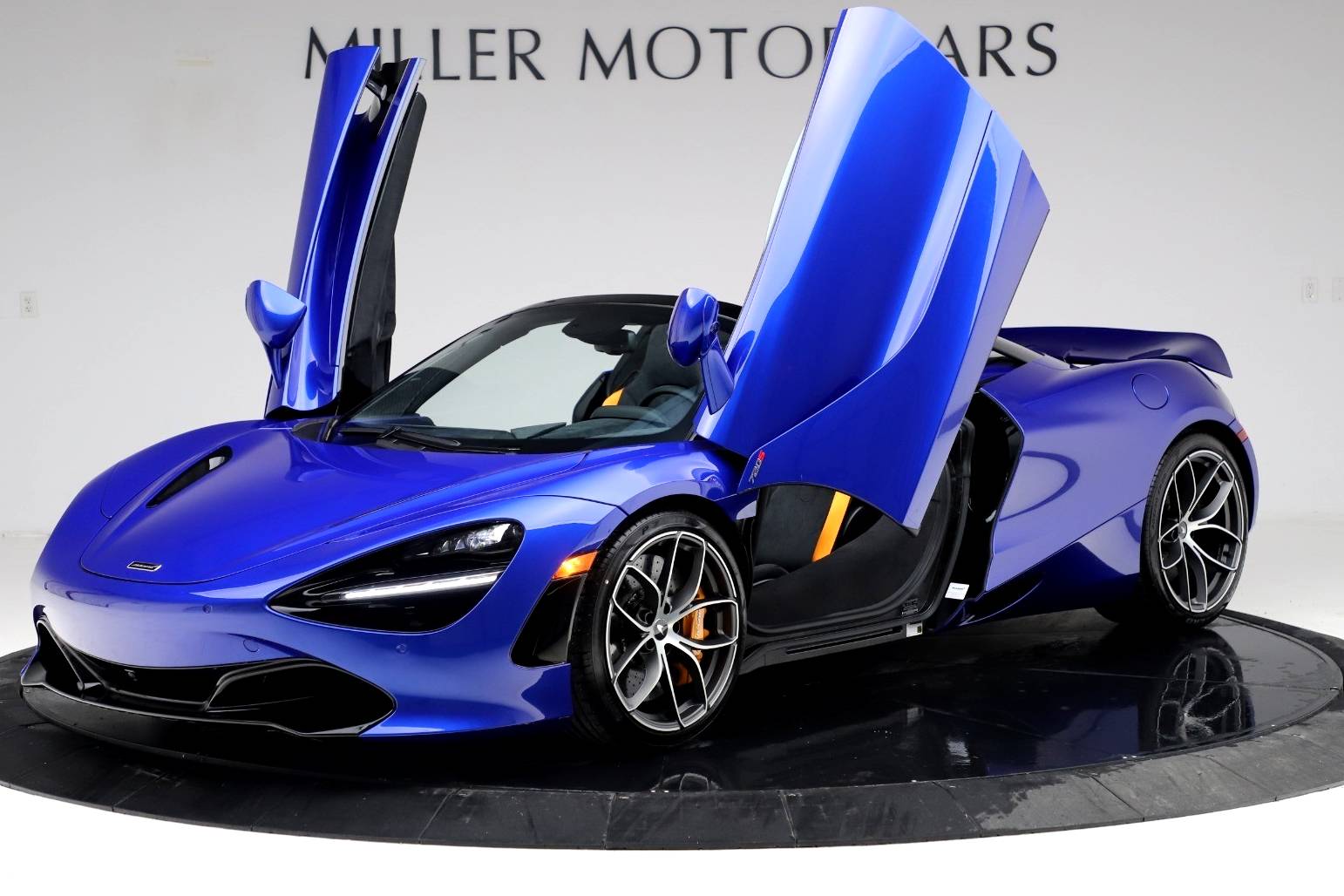
Cars: The Ultimate Mode of Transport

Cars: Mode of Transport


Cars: Mode of Transport. In today's modern world, cars are undeniably the most convenient and widely used mode of transport. For daily commuting, weekend getaways, or long-distance travel, cars offer unmatched flexibility, comfort, and efficiency. The car industry has evolved significantly, with a rich history shaping the vehicles we drive today. This article dives into the fascinating journey of the car, exploring its impact on society, the environment, and the future of mobility.

The Evolution of Cars: A Historical Perspective

The history of the car dates back to the late 19th century when innovators like Karl Benz and Henry Ford revolutionized transportation. The first automobile, powered by an internal combustion engine, was created by Benz in 1885, known as the Benz Patent-Motorwagen. This invention marked the beginning of the automobile era, but it wasn’t until Henry Ford's assembly line production in the early 20th century that cars became accessible to the masses.

Ford's Model T revolutionized the automobile industry, making cars affordable for ordinary people. The innovation of mass production made cars a common sight in households across the world. As the decades passed, car design and technology improved rapidly. From luxurious automobiles to compact city cars, and the introduction of electric vehicles (EVs), cars have continuously adapted to the needs and desires of consumers.

The Impact of Cars on Society

Convenience and Accessibility

Cars have undeniably transformed the way we live. Their impact is most noticeable in terms of mobility and accessibility. For decades, they have provided a reliable means of transportation, whether for work, leisure, or emergencies. Cars enable people to travel at their own pace and on their terms, offering freedom and independence that was unimaginable before their widespread use.

The advent of cars has also led to the development of urban areas. Cities are now structured around roads, highways, and parking lots, which makes cars essential for daily life. Shopping, work, socializing, and even healthcare have all been made more accessible thanks to the widespread availability of cars.

Economic Contribution

Cars have been integral to economic growth worldwide. The automotive industry is one of the largest and most influential industries globally, providing millions of jobs in the manufacturing, sales, and maintenance sectors. The production and sale of cars contribute significantly to national economies, and their impact on global trade is immense. Additionally, the rise of the car has spurred innovations in related sectors such as fuel production, automobile insurance, and tourism.

Cultural Impact

Cars have also become cultural icons, representing status, freedom, and technological advancement. Classic cars, such as the Chevrolet Corvette or the Ford Mustang, have cemented their place in popular culture as symbols of luxury and style. Movies, music, and literature often depict cars as essential to the human experience, symbolizing personal journey and adventure.

The Environmental Impact of Cars

While cars offer significant benefits, they also have negative environmental consequences. The most prominent issue is their carbon emissions, which contribute to global warming and air pollution. Traditional gasoline-powered vehicles emit large amounts of CO2, which is a major contributor to the greenhouse effect. This environmental challenge has prompted governments, industries, and consumers to seek more sustainable transportation solutions.

Electric Cars: The Future of Sustainable Transportation

In recent years, electric vehicles (EVs) have gained significant traction as an environmentally friendly alternative to conventional cars. Powered by electricity rather than fossil fuels, EVs produce zero emissions during operation, helping to reduce air pollution. The rise of companies like Tesla has accelerated the development and adoption of EVs, offering consumers a cleaner, more energy-efficient option.

Governments around the world have also incentivized the shift to electric cars by offering tax credits, subsidies, and rebates to encourage consumers to make the switch. Additionally, advancements in battery technology, such as solid-state batteries, are improving the range, charging speed, and overall performance of electric vehicles, making them a more viable alternative to traditional cars.

The Future of Cars: Autonomous and Connected Vehicles

Autonomous Vehicles (Self-Driving Cars)

The future of the automobile industry lies in the development of autonomous vehicles. These cars, equipped with advanced sensors, cameras, and artificial intelligence (AI), can navigate and drive themselves without human intervention. While still in the experimental phase, autonomous cars have the potential to revolutionize the way we travel, reducing the need for human drivers and significantly lowering accident rates.

Self-driving cars could also contribute to reducing traffic congestion, improving fuel efficiency, and providing mobility solutions for individuals with disabilities or the elderly. Companies like Waymo and Uber are already investing heavily in this technology, signaling that the future of mobility is leaning toward automation.

Connected Cars: The Internet of Things

Another exciting development in the automotive world is the rise of connected cars. These vehicles are equipped with technology that allows them to communicate with other cars, infrastructure, and the Internet. By integrating 5G connectivity, Wi-Fi, and Bluetooth, connected cars provide drivers with real-time information about traffic, road conditions, and even vehicle diagnostics.

This technological advancement also opens the door for innovative services such as remote vehicle monitoring, over-the-air software updates, and enhanced in-car entertainment options. As vehicles become more interconnected, they will offer drivers and passengers a safer, more efficient, and enjoyable driving experience.

Challenges and Considerations in the Automotive Industry

Despite the many benefits and advancements in automotive technology, the industry faces a range of challenges. Some of the most pressing issues include:

Traffic Congestion

As more people around the world purchase cars, traffic congestion has become a significant concern. Cities are struggling to accommodate the increasing number of vehicles on the road, leading to longer commute times, higher levels of air pollution, and decreased productivity. Public transportation and shared mobility options, such as ride-sharing services, are some solutions being explored to address this issue.

Safety Concerns

Though cars have become much safer over the years with features like airbags, anti-lock braking systems (ABS), and lane-keeping assistance, road accidents still claim thousands of lives annually. The widespread adoption of autonomous vehicles could reduce human error, which is responsible for a significant portion of accidents. However, there are still concerns about the technology’s ability to handle unpredictable road conditions and the need for robust regulations and safety standards.

The Role of Government and Regulation in the Automotive Industry

Government Policies and Environmental Regulations

The automotive industry is heavily influenced by government regulations, which aim to address environmental concerns, safety standards, and fair competition. One of the key areas where government intervention plays a crucial role is emissions standards. Governments across the world have introduced stringent regulations to curb the environmental impact of vehicles. In many regions, carbon dioxide emissions are capped to reduce pollution, and automakers are required to meet certain fuel efficiency targets.

In response to these regulations, car manufacturers are shifting towards more sustainable solutions. Electric vehicles (EVs) and hybrid cars are becoming more mainstream, and governments are offering incentives to make these eco-friendly cars more accessible. These incentives can include tax breaks, subsidies, and reduced registration fees for those purchasing electric or hybrid vehicles.

Safety Standards and Innovations

As the number of cars on the road continues to rise, vehicle safety has become a top priority for both manufacturers and governments. Safety features such as crash tests, airbags, and collision avoidance systems have become standard in modern vehicles. Governments and international bodies such as the National Highway Traffic Safety Administration (NHTSA) in the United States and the European New Car Assessment Programme (Euro NCAP) continuously work on enhancing safety standards to reduce fatalities and injuries caused by accidents.

Additionally, the growing adoption of autonomous driving technologies has raised concerns about the safety and regulation of self-driving cars. Governments are working to create clear guidelines and standards for the operation of autonomous vehicles, focusing on issues like driver responsibility, vehicle-to-vehicle communication, and cybersecurity to ensure the safe integration of these advanced technologies into everyday life.

Urban Planning and Infrastructure Development

As the number of cars on the road increases, cities must adapt to ensure efficient traffic flow and minimize environmental impacts. Governments and urban planners are focused on building and upgrading infrastructure, including roads, highways, and bridges, to accommodate the growing number of vehicles. Furthermore, the rise of electric cars has led to the development of charging stations in urban areas, ensuring that EV owners have access to convenient charging points.

Public transportation systems are also evolving to complement car use and reduce congestion. Cities are investing in public transit networks like buses, trains, and subways to offer alternative modes of transport that reduce the dependency on cars. The concept of shared mobility is also gaining momentum, where ride-sharing services like Uber and Lyft are reducing the number of individual car ownerships while providing efficient, cost-effective transportation options.

Emerging Trends in the Car Industry

Car Subscription Services

One of the most intriguing emerging trends in the automotive world is the rise of car subscription services. This model allows customers to pay a monthly fee to use a car without the long-term commitment of ownership. Subscription services offer flexibility, enabling users to switch between different vehicles based on their needs, whether it’s a compact car for city driving or a luxury vehicle for a special occasion. This model is appealing to people who value convenience and want access to a variety of cars without the responsibility of maintenance and long-term financing.

3D Printing and Car Manufacturing

Advancements in 3D printing are also making waves in the automotive industry. 3D printing technology allows manufacturers to produce car parts and components with greater precision, speed, and cost-efficiency. Some manufacturers are even exploring the possibility of printing entire cars using this innovative method. This could significantly reduce production costs, waste, and lead times, making cars more affordable and sustainable in the long term.

Sustainability in Car Manufacturing

As environmental concerns continue to rise, the car industry is placing a greater emphasis on sustainable manufacturing practices. Automakers are investing in green manufacturing processes that reduce waste and minimize their environmental footprint. This includes the use of recycled materials, sustainable sourcing of components, and energy-efficient production lines.

Tesla, for instance, is known for its commitment to sustainability, not just in its products but also in its manufacturing. The company has integrated solar energy and battery storage systems in its production plants to reduce energy consumption, and it has committed to using recycled materials to build its vehicles.

Cars and Mobility in the Digital Age

Connected and Smart Vehicles

The concept of connected cars is taking the automotive world by storm. With the rise of the Internet of Things (IoT), more cars are becoming smart and able to communicate with other vehicles, road infrastructure, and even smart homes. This integration allows for a host of new features, such as real-time traffic updates, remote vehicle diagnostics, predictive maintenance, and in-car entertainment systems.

Connected cars can also improve safety by alerting drivers about hazards, weather conditions, and road closures. For example, if a driver’s car senses a potential collision, it can send an alert to nearby vehicles, enabling them to adjust their speed or position to avoid accidents.

Advanced Driver Assistance Systems (ADAS)

As cars become increasingly connected, they are also equipped with Advanced Driver Assistance Systems (ADAS) that help drivers navigate complex driving environments more safely and efficiently. ADAS technologies include lane-keeping assist, blind spot monitoring, adaptive cruise control, and automatic emergency braking. These systems work together to reduce the likelihood of accidents and improve the overall driving experience.

Soon, many of these ADAS features will evolve into fully autonomous systems, allowing cars to take over more driving tasks. This transition will mark a major shift in how we think about driving, with a growing emphasis on safety, convenience, and automation.

Car Customization and Personalization

Consumers are increasingly seeking ways to personalize their vehicles, from customizing the exterior appearance with unique paint jobs and body kits to altering the interior with premium materials, advanced tech, and personalized infotainment systems. Automakers are responding to this demand by offering more customizable options, both online and in dealerships. Car manufacturers like BMW and Mercedes-Benz have embraced customization, allowing customers to choose everything from the color to the finishing touches.

Moreover, in-car technology is evolving to provide personalized experiences for drivers and passengers. For example, smart infotainment systems can learn drivers' preferences, such as preferred music, climate settings, and even routes, creating a more seamless driving experience.

Conclusion: The Road Ahead for Cars

The automobile industry is at a pivotal moment in its history. As new technologies emerge, including electric vehicles, autonomous driving, and connected car systems, the way we use and perceive cars will continue to evolve. The future of mobility is green, smart, and efficient, and as cars continue to become more innovative and environmentally friendly, they will remain an essential part of modern life.

The journey of the car, from its humble beginnings to the high-tech vehicles of today, is a testament to human ingenuity and our desire for progress. As we move forward, the car will undoubtedly continue to shape our world, bringing greater efficiency, sustainability, and convenience to the roads.

The automobile industry has undergone an incredible transformation since its inception, and it continues to evolve as new technologies emerge. From the first automobile to electric vehicles and autonomous driving, the future of cars holds immense potential. Cars will continue to shape our societies, economies, and cultures, providing essential mobility while offering new, sustainable alternatives.

As we move towards a greener, smarter, and more connected future, the car remains an integral part of our daily lives. While challenges exist, such as congestion, environmental impact, and safety, the continued innovation in the automotive industry ensures that we will see even greater advancements in the years to come.

Categories:  Tags: 

Related Posts


Buy Title Certificate Quickly Online: A Comprehensive Guide

  Buy Title Certificate Quickly Online: A Comprehensive Guide [caption id="" align="aligncenter" width="189"] ...